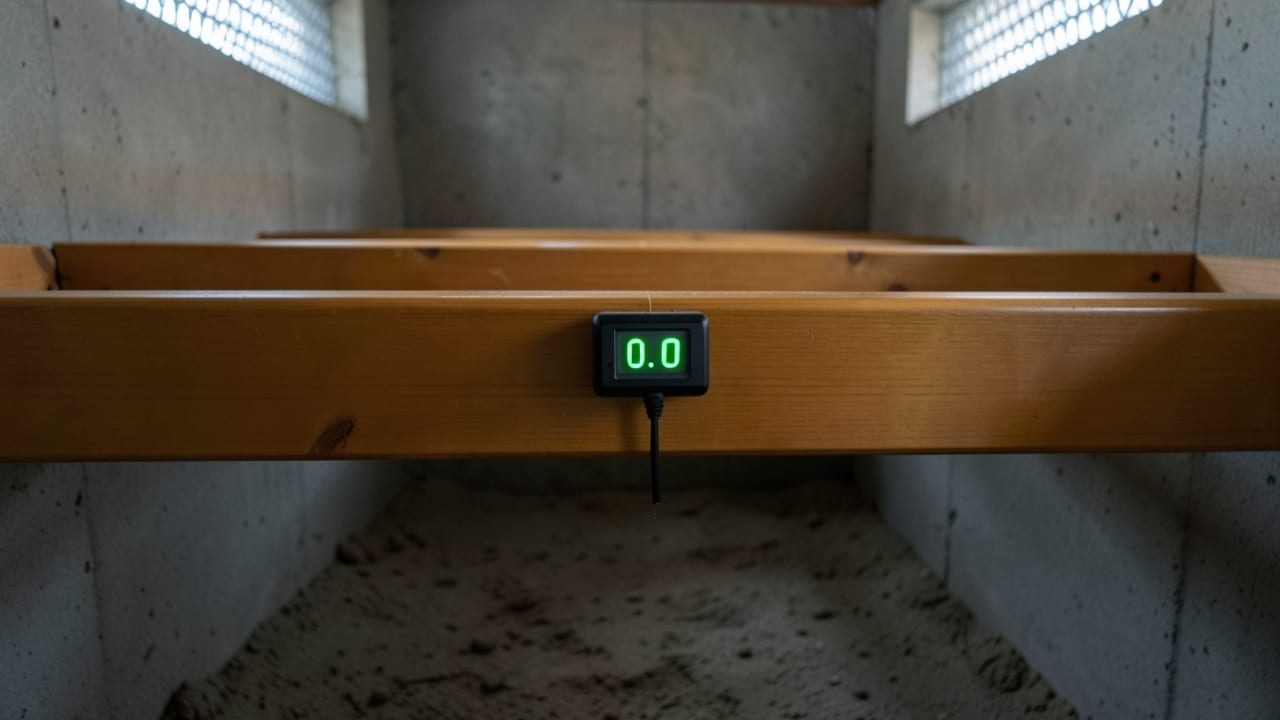
Spring Mold Inspection
Professional assessment and identification of mold growth in homes.
Spring in Voorhees, NJ, brings warmer weather and higher humidity—ideal conditions for mold growth in hidden corners of your home. A professional spring mold inspection identifies hidden moisture sources, traces spore patterns, and documents affected areas before contamination spreads.
Unlike a quick visual check, this process uses moisture meters, air sampling, and lab analysis to pinpoint the root cause and scope of any mold problem, ensuring you have the full picture before deciding on remediation.
We also handle Crawl Space & Basement Mold Remediation and Attic Mold Remediation for Voorhees properties.
When to schedule an inspection
Mold often goes unnoticed until it’s already established, but a few common signs in Voorhees homes trigger the need for a professional assessment. Persistent musty odors in closets, basements, or bathrooms—even after airing out—are a red flag, as mold releases volatile organic compounds (VOCs) long before visible growth appears.
Visible dark spots (black, green, or brown) on drywall, grout, or window frames are another clear indicator, though color alone doesn’t reveal the species or extent of contamination.
Other clues include unexplained health symptoms like sneezing, headaches, or itchy eyes that improve when you leave a specific room, or a history of leaks or floods that were ‘fixed’ with surface drying but never inspected underneath.
Seasonal changes in humidity can also reactivate dormant mold, making spring a smart time for a proactive check—especially if your home has hard-to-ventilate areas like crawl spaces or basements.
Signs a Spring Inspection Is Needed
- A musty or earthy smell that lingers in a closet, bathroom, or basement after airing out for 24+ hours.
- Visible dark spots or staining on drywall, grout, window frames, or under carpets (black, green, brown, or speckled).
- Unexplained health symptoms (sneezing, headaches, itchy eyes) that ease when you avoid a specific room.
- A past leak or flood that was mopped up but never professionally checked for hidden moisture or mold underneath.
- Condensation or water droplets on windows, pipes, or walls that don’t dry within a day or two.
What the inspection covers—and what it doesn’t
A thorough spring mold inspection in Voorhees goes beyond a visual scan to uncover the full scope of a problem.
After a walkthrough to map visible signs and musty areas, inspectors use moisture meters and thermal imaging to detect dampness in wall cavities, subfloors, and roof lines—places where mold thrives but isn’t visible.
Air and surface samples are collected from affected areas *and* a control room (an unaffected space) to compare spore counts against a baseline, ensuring lab results are accurate and actionable.
The inspection also traces moisture back to its source—whether it’s a roof leak, plumbing issue, poor grading, or condensation—because addressing the root cause is critical to preventing recurrence. However, the inspection itself does not include remediation, containment, or clearance testing.
Those steps require separate services, and the written scope report generated from the inspection is what contractors use to price remediation work or, in some cases, what’s required by local regulations before any work begins.
| Included in the Inspection | Not Included |
|---|---|
| Visual assessment of walls, ceilings, basements, and crawl spaces for signs of mold or moisture. | Removal or cleanup of existing mold. |
| Moisture meter and thermal imaging scans to detect hidden dampness in cavities. | Containment setup (plastic barriers, negative air pressure). |
| Air and surface sampling from affected areas + a control room for lab comparison. | Remediation work (drywall removal, sanding, or sealing). |
| Moisture source diagnosis (e.g., leak tracing, grading issues, HVAC condensation). | Clearance testing to confirm mold is gone after remediation. |
| Written scope report detailing affected materials, square footage, and likely moisture sources. | Preventive measures like humidity control or HVAC upgrades. |
Why lab testing matters
Lab analysis is the only way to accurately identify mold species and spore concentrations, and in New Jersey, samples are sent to a third-party accredited laboratory for unbiased results.
This step is critical because visual signs alone can’t distinguish between harmless surface mold and toxic species like *Stachybotrys chartarum* (black mold), nor can they measure the scale of contamination. Comparing samples from affected areas to a control room also rules out cross-contamination during sampling—a common pitfall that skews results.
Results typically take 2–5 business days, depending on the lab’s workload, and the report will specify which materials are affected, the square footage involved, and the likely moisture source.
This documentation serves two purposes: it helps you understand the severity of the issue, and it’s the legal requirement in New Jersey before any remediation can begin. Without it, contractors can’t provide accurate quotes, and you risk incomplete or ineffective work.
How a spring mold inspection works
This process combines visual assessment, technical tools, and lab analysis to uncover hidden mold and moisture issues.
- 1Visual and Moisture Walkthrough
A trained inspector examines every room for visible mold, staining, or musty odors, then uses a moisture meter and thermal imaging to detect dampness in walls, floors, and ceilings that isn’t obvious to the naked eye. Each affected area is mapped and photographed for the report.
- 2Air and Surface Sampling
Samples are collected from suspect areas *and* a control room (an unaffected space) to ensure accurate lab comparisons. Air samples use spore traps, while surface swabs target visible growth or dusty areas. Tools are never reused between rooms to prevent cross-contamination.
- 3Third-Party Lab Analysis
Samples are sent to an accredited lab for species identification and spore concentration testing. Results take 2–5 business days and include a comparison to the control room baseline, not just isolated counts.
- 4Moisture Source Diagnosis
The inspector traces water intrusion back to its origin—whether it’s a roof leak, plumbing issue, or poor ventilation—to determine why mold is growing and how to stop it from returning.
- 5Written Scope Report
The findings are compiled into a detailed report listing affected materials, square footage, and moisture sources. This document is required before remediation can begin in New Jersey and serves as the basis for contractor quotes.
Frequently asked questions
I’ve noticed a musty smell in my basement, but I don’t see any mold. Should I still get an inspection?
Yes. Mold often releases odors long before visible growth appears, and basements are prime breeding grounds due to poor ventilation and humidity. An inspection can detect hidden moisture or early-stage mold using tools like moisture meters and air sampling, even if nothing is visible yet.
Will the inspection tell me what’s causing the mold, or just how much there is?
It does both. The inspection identifies the extent of contamination through sampling and imaging, but it also traces moisture back to its source—whether it’s a leak, condensation, or poor grading. Without addressing the root cause, remediation may not last.
Do I need to be home during the inspection? What’s the process like?
You don’t need to be home, but the inspector may ask for access to areas with suspected issues. The process is non-invasive: they’ll walk through your home, take photos, use tools to check for moisture, and collect samples. It typically takes 1–2 hours, and they’ll leave you with a written report and next steps.
My neighbor had mold remediation last year—could it come back in my home too?
Mold spores are everywhere, but they only grow when conditions are right (excess moisture, poor ventilation, organic materials to feed on). If your home has similar risk factors—like a leaky roof, damp basement, or high humidity—it’s worth checking. A spring inspection can identify vulnerabilities before they become a full-blown problem.
Where Voorhees sits, and what the Census lists nearby
Voorhees sits in New Jersey, and the closest places listed in the U.S. Census Gazetteer are Clyde (1.1 miles west), East Franklin (1.4 miles northeast), Somerset (1.9 miles north), Six Mile Run (2.3 miles west).
Within 25 miles of Voorhees the same source lists 195 distinct incorporated places and census-designated places.
Those figures matter for spring mold inspection because they are straight-line distances between Census coordinate points: road mileage between Voorhees and Clyde runs longer than the 1.1 miles shown, which is why quotes for the same job differ between towns that look close together on a map.
Source: U.S. Census Bureau Gazetteer.
See Rutgers University-Busch Campus, NJ for more, or take a look at every option available in Voorhees in full for our complete lineup.
Ready to get started?
Talk to a local mold remediation pro in Voorhees — get a written quote.
Other Mold Remediation Services in Voorhees
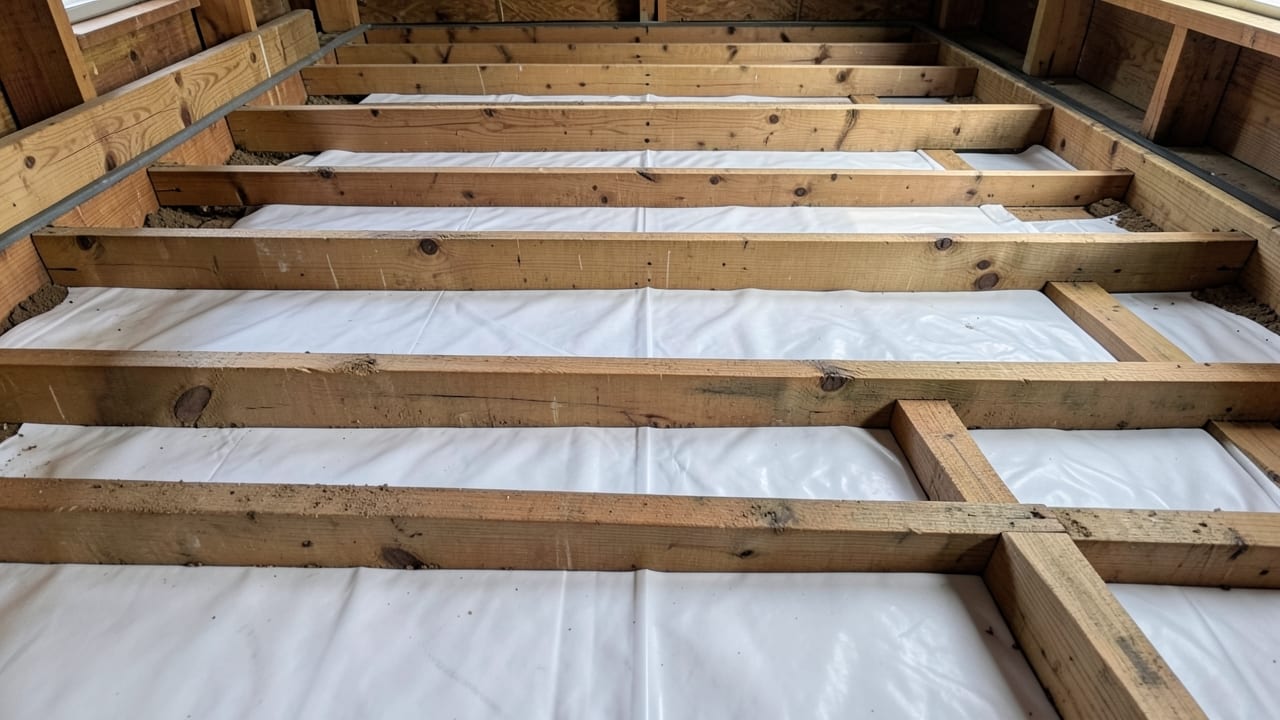
Crawl Space & Basement Mold Remediation in Voorhees, NJ
Crawl space and basement mold remediation in Voorhees, NJ addresses the two areas of a property most prone to trapped, unnoticed moisture.
Learn More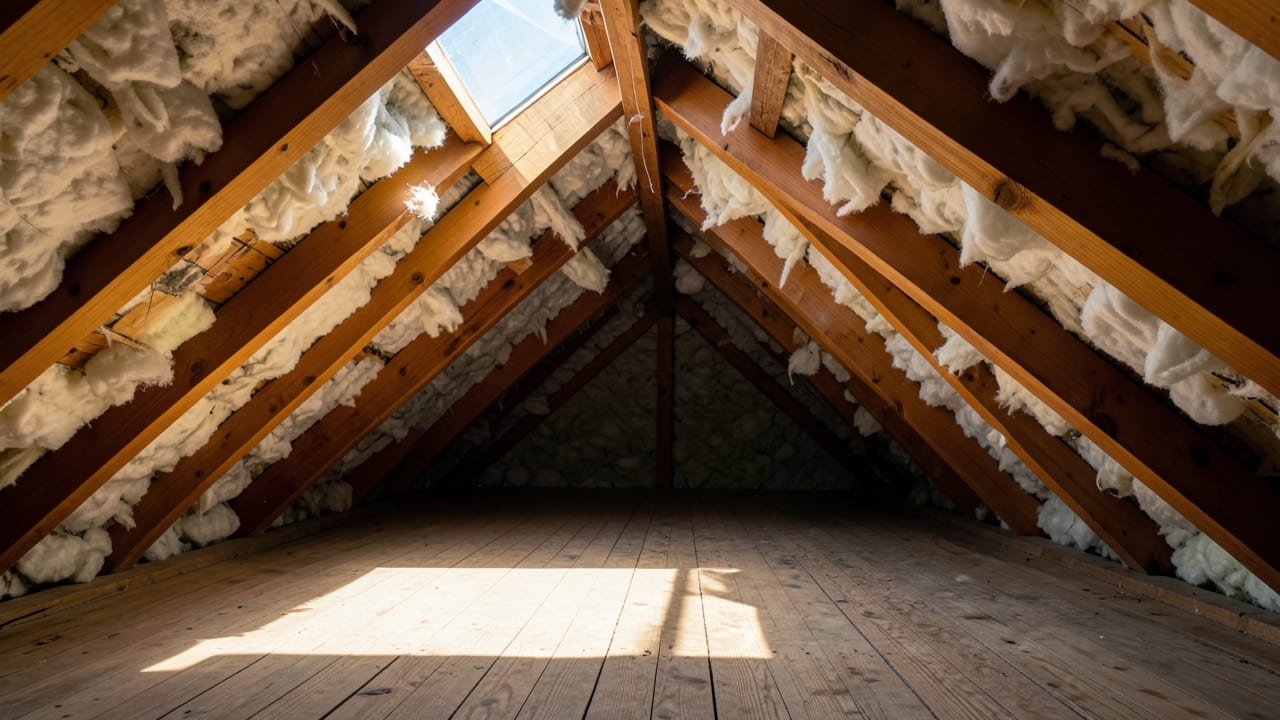
Attic Mold Remediation in Voorhees, NJ
Attic mold remediation in Voorhees, NJ addresses roof-deck growth typically caused by poor ventilation or a hidden roof leak.
Learn More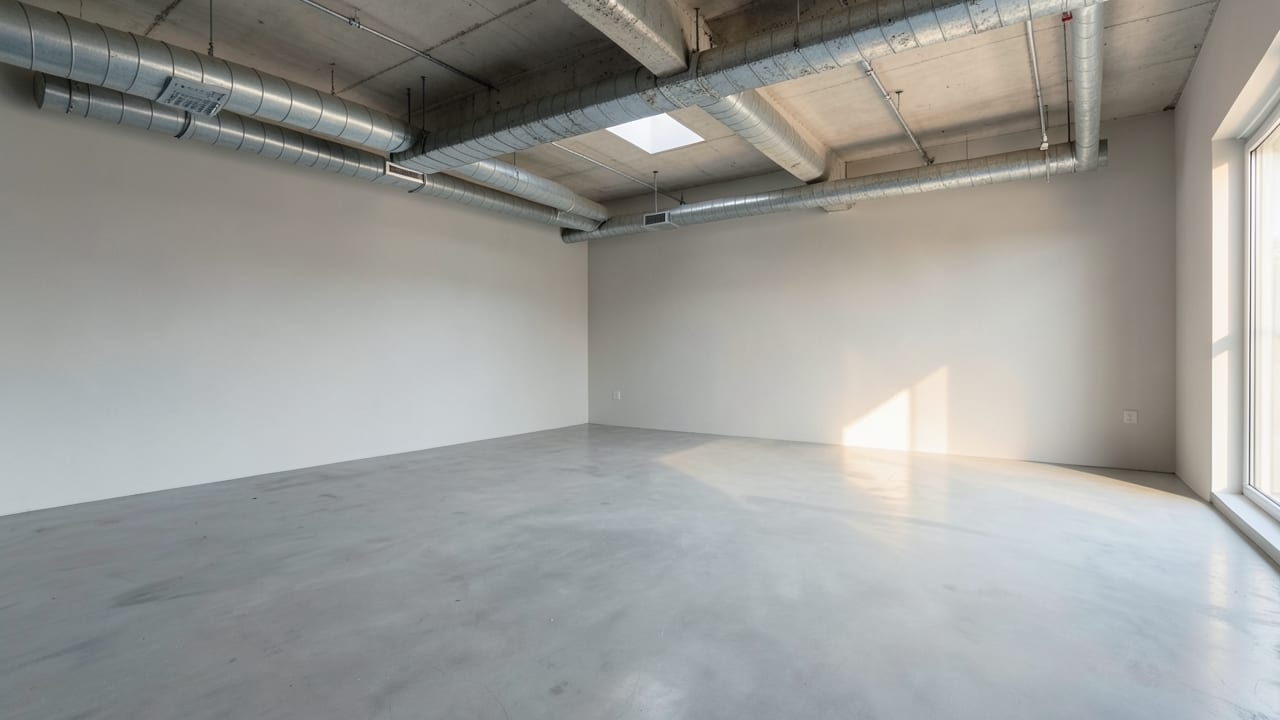
Commercial Mold Remediation in Voorhees, NJ
Commercial mold inspection and remediation in Voorhees, NJ for offices, retail space, and multi-unit properties, scheduled around business operations.
Learn More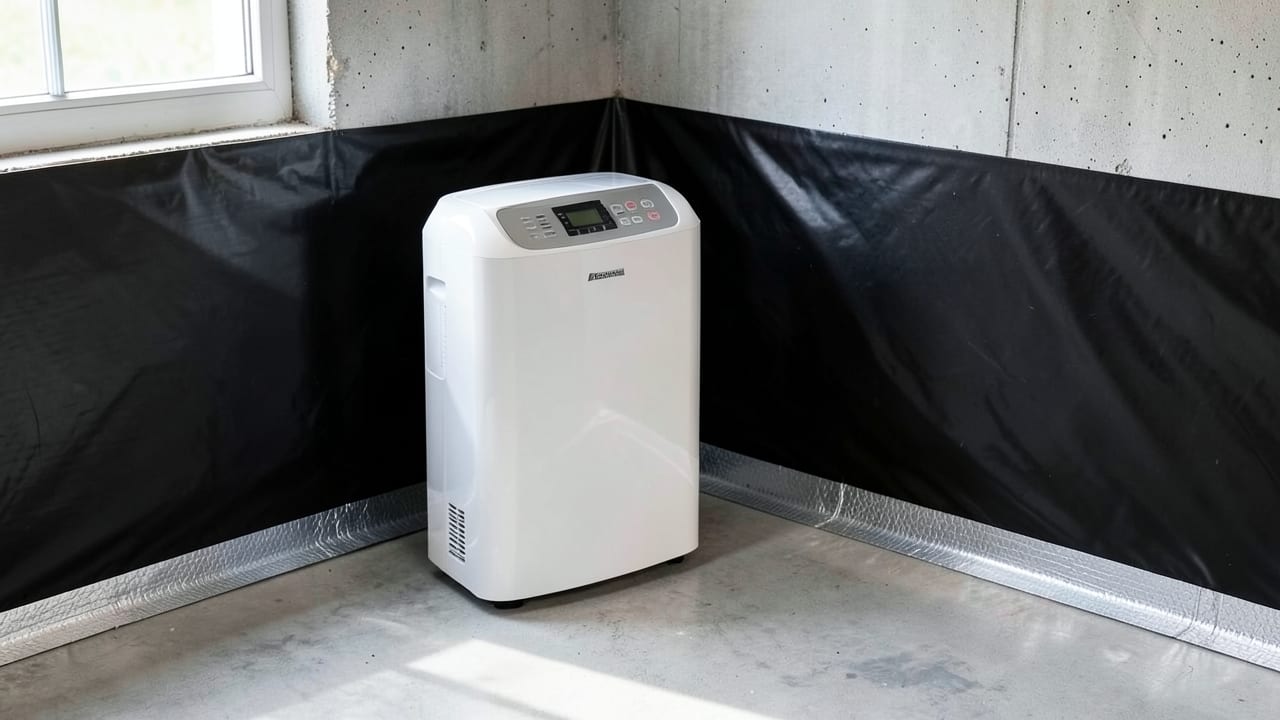
Mold Prevention & Moisture Control in Voorhees, NJ
Mold prevention and moisture control in Voorhees, NJ — addressing ventilation, humidity, and drainage before growth starts, not after.
Learn More
Mold & Asbestos Testing in Voorhees, NJ
Combined mold and asbestos testing in Voorhees, NJ — one inspection visit, lab-verified results for both.
Learn More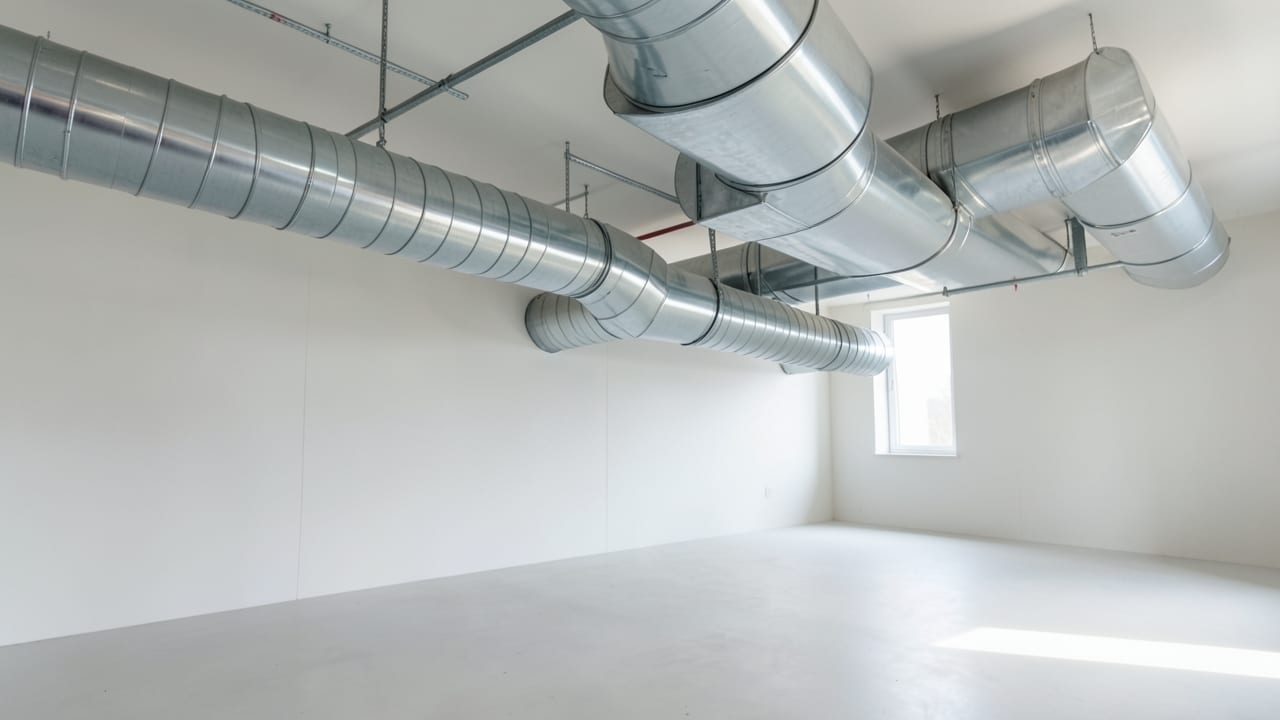
HVAC Mold Remediation in Voorhees, NJ
HVAC and ductwork mold remediation in Voorhees, NJ — mold growing inside the air handler or duct system, spreading through every vent.
Learn MoreCommon Questions About Mold Remediation in Voorhees
Everything you need to know about mold remediation services in Voorhees
How much does Spring Mold Inspection typically cost in Voorhees, NJ?
Why does Voorhees, NJ's humidity make mold a bigger risk than in drier regions?
Can small mold problems be handled without hiring anyone?
What's the actual difference between mold removal and mold remediation?
Is a final clearance test part of a typical mold remediation job?
How does mold remediation actually prevent the problem from coming back?
Need Mold Remediation in Voorhees?
Connect with local providers in Voorhees for a detailed quote.
⏰ We answer your call • Serving all of Voorhees and surrounding areas