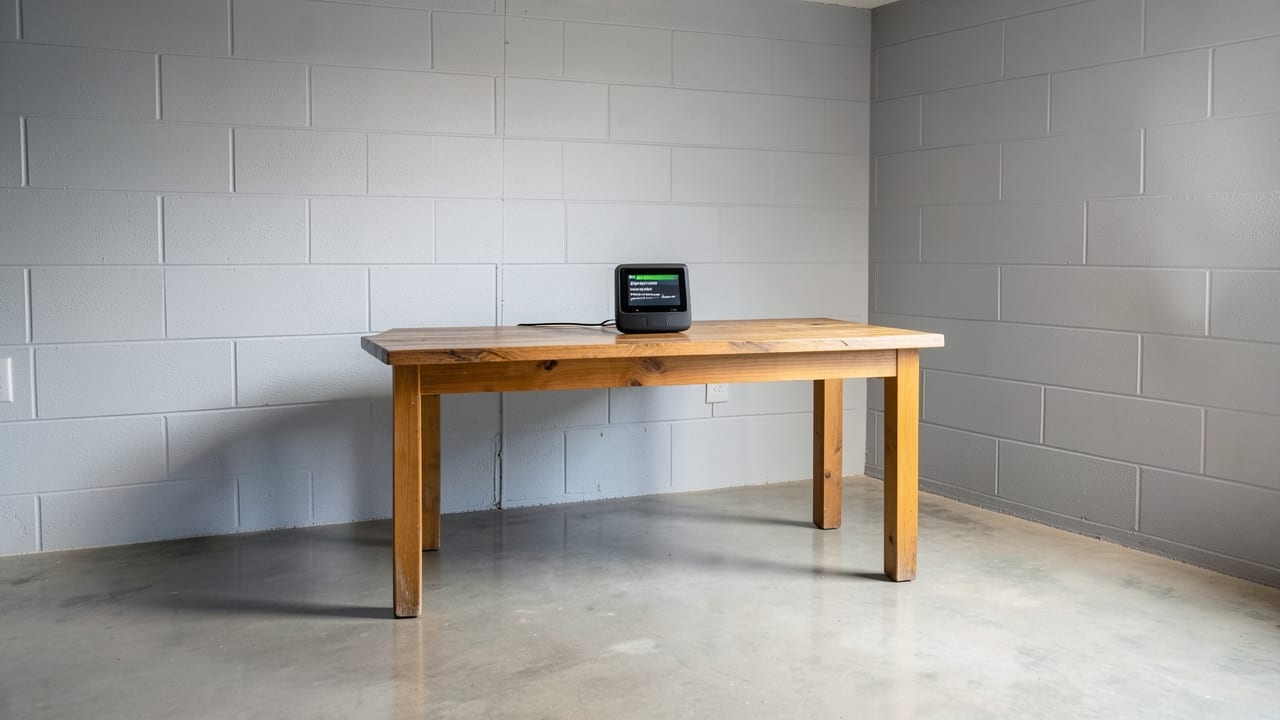
Pre-Sale Mold Clearance
Pre-sale mold clearance involves inspection and testing to confirm a property is mold-free before purchase.
Pre-sale mold clearance in Voorhees, NJ, helps homeowners address hidden mold before a property sale, ensuring a smoother transaction and healthier living space.
This process includes a thorough inspection, sampling, lab analysis, and moisture source diagnosis to identify and document any contamination—critical steps for buyers and sellers in the real estate process.
We also handle Roof Leak Mold Remediation and Apartment Mold Remediation for Voorhees properties.
When is pre-sale mold clearance needed?
Mold often hides behind walls, under flooring, or in crawl spaces, making it difficult to spot without professional tools.
Common signs that warrant a pre-sale assessment include persistent musty odors in basements, bathrooms, or closets; visible mold growth on drywall, grout, or window frames; or a history of leaks or floods that weren’t fully addressed.
Even if nothing is visible, a professional inspection can uncover hidden moisture sources that may lead to future mold problems.
Symptoms like frequent headaches, sneezing, or itchy eyes when in certain rooms can also signal mold. These issues are often tied to hidden growth, which a trained inspector can identify using moisture meters, thermal imaging, and controlled air sampling.
Addressing mold early avoids costly surprises during a home sale and ensures compliance with real estate disclosure requirements.
Signs Pre-Sale Mold Clearance May Be Needed
- A persistent musty or earthy smell in any room that doesn’t go away after airing out.
- Visible mold growth—black, green, brown, or dark speckles—on walls, ceilings, or floors.
- A history of leaks, floods, or water damage that wasn’t professionally inspected or repaired.
- Recurring health symptoms (sneezing, headaches, itchy eyes) that improve when away from a specific room.
- Condensation or dampness in basements, attics, or crawl spaces, even if no active leaks are visible.
What’s involved in the process?
Pre-sale mold clearance follows a structured process to identify, document, and address mold contamination. It begins with a visual inspection for visible growth and moisture, followed by air and surface sampling to compare spore levels against a clean baseline.
Lab analysis determines species and concentration, while moisture source diagnosis pinpoints leaks, poor ventilation, or grading issues that fuel mold growth.
The final step is a detailed written report outlining affected materials, moisture sources, and the scope of contamination. This document helps remediation contractors plan the work and ensures compliance with New Jersey’s Home Improvement Contractor (HIC) regulations.
Unlike general home inspections, mold clearance focuses on hidden risks that could derail a sale or pose health concerns.
What to look for in a mold clearance provider
Not all mold testing is equal, and choosing the right provider ensures accurate results and proper documentation for your sale. Key factors include whether the company uses third-party lab analysis for unbiased results, traces moisture back to its source, and provides a detailed written report.
Avoid providers who skip containment during testing, don’t specify square footage in quotes, or pressure you to sign contracts on the spot.
New Jersey requires mold remediation contractors to register annually as Home Improvement Contractors (HIC) with proof of $500,000 in liability insurance. Always verify this registration directly with the state Division of Consumer Affairs, as unlicensed work can void insurance coverage and leave you liable for hidden damage.
Clearance testing after remediation is also critical—without it, you won’t know if the mold has been fully addressed.
| Red Flag | Why It Matters |
|---|---|
| Verbal estimate with no written scope | No way to compare bids or hold the provider accountable for missing work. |
| Pressure to sign during the inspection visit | A legitimate scope takes time to prepare—rushing skips your chance to review details. |
| No mention of post-remediation clearance testing | Without testing, there’s no proof the mold was fully removed. |
| Bid significantly lower than others for the same square footage | May indicate cut corners like improper containment or skipped lab work. |
How pre-sale mold clearance works
This step-by-step process ensures a thorough assessment of hidden mold and moisture sources before your home sale.
- 1Visual and Moisture Inspection
A trained inspector examines every accessible area of your home, using moisture meters and thermal imaging to detect dampness behind walls, under floors, and in attics. They map affected rooms and note visible signs like staining or musty odors before collecting samples.
- 2Air and Surface Sampling
Samples are taken from suspect areas and one unaffected room (as a control) to compare spore levels. Air samples use spore traps, while surface swabs target visible growth or high-risk zones like grout or drywall seams. Cross-contamination is avoided by using sterile tools for each sample.
- 3Independent Lab Analysis
Samples are sent to an accredited third-party lab for species identification and spore concentration testing. Results typically return in 2–5 business days, providing objective data to determine if mold levels exceed normal indoor thresholds.
- 4Moisture Source Diagnosis
The inspector traces moisture back to its origin—whether roof leaks, plumbing issues, poor grading, or condensation—to prevent recurrence. Without fixing the source, mold is likely to return even after remediation.
- 5Written Scope Report
A detailed report documents affected materials, moisture sources, and square footage involved. This report is used by remediation contractors to plan the work and, in New Jersey, is required before remediation can legally begin under HIC regulations.
Frequently asked questions
Can mold grow in my home even if I don’t see or smell it?
Yes. Mold often hides in wall cavities, under flooring, or in crawl spaces where moisture lingers without visible signs. Professional tools like moisture meters and thermal imaging can detect hidden growth, which is why pre-sale clearance includes a thorough inspection beyond what’s visible.
What happens if mold is found during the pre-sale inspection?
The inspector provides a written report outlining the contamination, moisture source, and affected areas. This document helps you decide whether to remediate before listing or disclose the findings to potential buyers, depending on local real estate laws.
Is pre-sale mold clearance required by law in New Jersey?
No, but it’s strongly recommended for smooth transactions. New Jersey doesn’t mandate pre-sale mold testing, but disclosure laws require sellers to reveal known mold issues. A clearance assessment provides objective documentation to meet these requirements and protect your investment.
How long does it take to get results after sampling?
Lab turnaround for mold species and spore concentration typically takes 2–5 business days. The inspector will provide a timeline during your assessment, allowing time to address findings before listing your home.
Where Voorhees sits, and what the Census lists nearby
Voorhees sits in New Jersey, and the closest places listed in the U.S. Census Gazetteer are Clyde (1.1 miles west), East Franklin (1.4 miles northeast), Somerset (1.9 miles north), Six Mile Run (2.3 miles west).
Within 25 miles of Voorhees the same source lists 195 distinct incorporated places and census-designated places.
Those figures matter for pre-sale mold clearance because they are straight-line distances between Census coordinate points: road mileage between Voorhees and Clyde runs longer than the 1.1 miles shown, which is why quotes for the same job differ between towns that look close together on a map.
Source: U.S. Census Bureau Gazetteer.
See Franklin Center, NJ for more, or check out the mold remediation work we do around Voorhees on a single page for our complete lineup.
Ready to get started?
Talk to a local mold remediation pro in Voorhees — get a written quote.
Other Mold Remediation Services in Voorhees
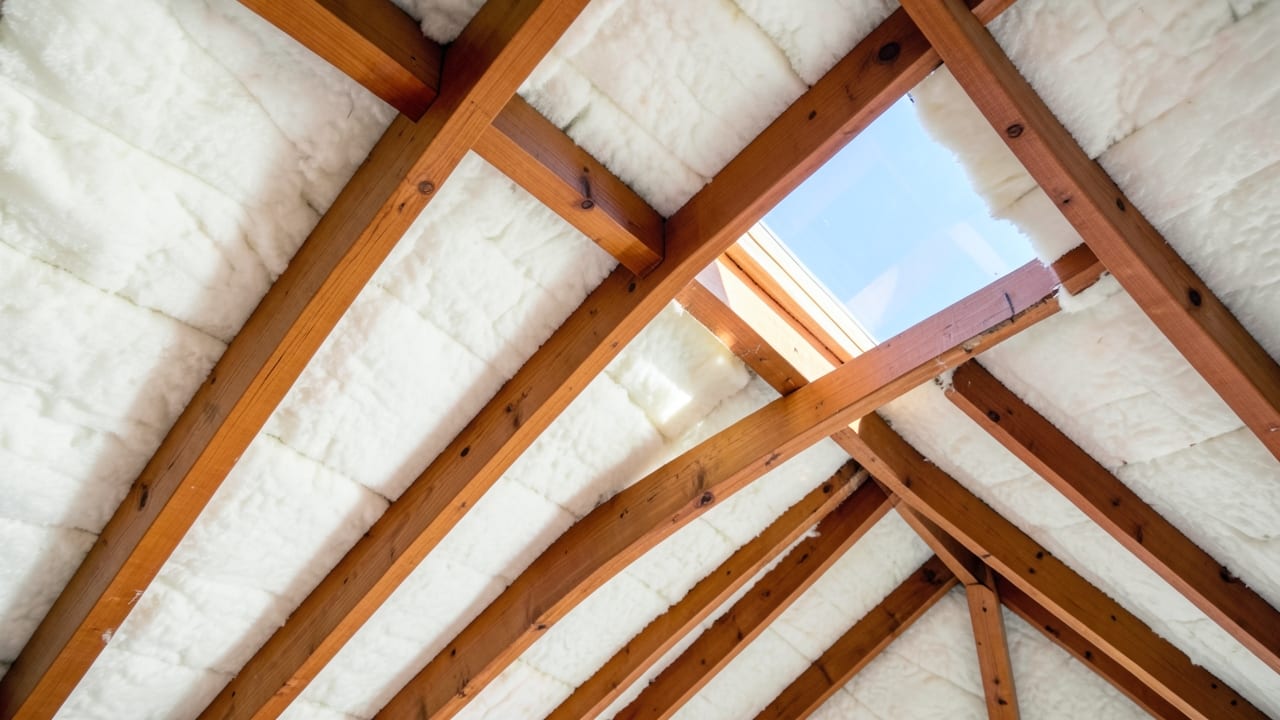
Roof Leak Mold Remediation in Voorhees, NJ
Professional removal of mold caused by roof leaks to restore a safe, healthy home environment.
Learn More
Apartment Mold Remediation in Voorhees, NJ
Professional mold removal and remediation for apartments to restore safe living conditions.
Learn More
School Mold Remediation in Voorhees, NJ
Professional mold removal and remediation in schools to ensure a safe, healthy environment.
Learn More
Warehouse Mold Cleanup in Voorhees, NJ
Professional removal of mold from warehouse spaces to restore safe, clean conditions.
Learn More
Tile & Grout Mold Cleanup in Voorhees, NJ
Professional removal of mold from tile and grout surfaces in bathrooms, kitchens, and other tiled areas.
Learn More
Stone Countertop Mold Removal in Voorhees, NJ
Professional removal of mold from stone countertops using specialized cleaning and treatment methods.
Learn MoreCommon Questions About Mold Remediation in Voorhees
Everything you need to know about mold remediation services in Voorhees
How much does Pre-Sale Mold Clearance typically cost in Voorhees, NJ?
Why does Voorhees, NJ's humidity make mold a bigger risk than in drier regions?
Does homeowners insurance typically cover mold remediation?
Is black mold actually more dangerous than other mold types?
How long does a typical mold remediation job take?
Is it safe to stay in the home during mold remediation?
Need Mold Remediation in Voorhees?
Connect with local providers in Voorhees for a detailed quote.
⏰ We answer your call • Serving all of Voorhees and surrounding areas