Apartment Mold Remediation
Professional mold removal and remediation for apartments to restore safe living conditions.
Mold in apartments in Voorhees, NJ, often hides behind walls, under flooring, or in HVAC systems, where it spreads unseen until it becomes a larger problem. Proper remediation involves containment, removal of contaminated materials, HEPA filtration, structural drying, and independent clearance testing to help restore a healthy living environment.
Recognizing when a mold issue requires professional attention—and addressing the moisture source—helps prevent regrowth.
We also handle Fire Smoke Mold Remediation and Salt Air Mold Remediation for Voorhees properties.
When to call for mold remediation
Mold covering more than a small, isolated patch—especially if it reappears after cleaning—often signals a deeper issue. A musty smell with no visible mold, or one that worsens when the HVAC runs, may mean hidden growth inside walls, under flooring, or in ductwork.
In New Jersey, mold growth exceeding 25 contiguous square feet typically requires professional remediation, as the risk of spreading spores increases significantly.
Rooms that stay damp—like windowless bathrooms, closets, or basements—are prime breeding grounds. If mold keeps returning in the same spot, the moisture source (like a leak, condensation, or poor grading) likely hasn’t been addressed. Fixing the root cause is key to helping the remediation last.
Signs Professional Remediation May Be Needed
- Mold covers more than a small, isolated patch (e.g., larger than 25 square feet).
- Visible mold keeps returning after cleaning, even in the same spot.
- A musty smell exists with no visible mold, or it worsens when the HVAC system runs.
- The affected area feels persistently damp, or condensation appears on walls/ceilings.
- You notice health symptoms (coughing, sneezing, skin irritation) that improve when away from home.
What affects pricing and timeline
The cost and duration of mold remediation depend on the size of the affected area, the type of materials involved, and whether hidden growth is discovered during the process.
Porous materials like drywall or insulation are often removed and replaced, while non-porous surfaces (like tile or metal framing) can sometimes be cleaned and treated. Containment, HEPA filtration, and structural drying add time and labor to the job.
Clearance testing—conducted by an independent third party—is typically included in professional remediation but may be priced separately in some cases. The goal is to confirm spore levels return to a normal range before the work area is reopened.
Skipping this step can leave uncertainty about whether the mold has been fully addressed.
What to ask before hiring a remediation service
Not all remediation quotes include the same steps, so comparing bids requires clarity on what’s covered. Ask whether the estimate includes inspection, containment, removal, treatment, drying, and clearance testing—or if some items are extra.
A written scope of work helps avoid surprises later, as does confirming whether the contractor is registered as a Home Improvement Contractor (HIC) in New Jersey, a legal requirement for this type of work.
Pressure to sign a contract during the same visit as the inspection is a red flag. A legitimate scope of work takes time to prepare accurately, and rushing the process can lead to missing critical details. Always review the contract carefully before agreeing to any work.
| Question to Ask | Why It Matters |
|---|---|
| Does the estimate include containment, removal, treatment, drying, and clearance testing? | Containment and testing are often priced separately; a low quote excluding them may not fully resolve the issue. |
| Is a written scope of work provided before any work starts? | A detailed scope protects against unexpected costs or incomplete work once demolition begins. |
| Will a third-party lab test verify clearance after remediation? | Independent testing confirms spore levels return to a normal range before the area is reopened. |
| What happens if hidden mold is found during the job? | Change-order pricing after walls are opened is a common source of disputes—clarify upfront. |
How apartment mold remediation works
Professional remediation follows a structured process to safely remove mold and prevent regrowth.
- 1Containment Setup
Plastic sheeting and negative-air machines seal off the work area to trap spores generated during removal, preventing them from spreading to unaffected parts of the apartment.
- 2Material Removal and Treatment
Porous materials like drywall and insulation—where mold grows deep—are cut out and bagged, while non-porous surfaces (tile, metal framing) are scrubbed and treated with antimicrobial solutions.
- 3HEPA Filtration and Cleanup
HEPA-filtered air scrubbers run continuously during the job, and surfaces are vacuumed with HEPA-equipped tools to capture spores rather than recirculate them into the air.
- 4Structural Drying
Industrial dehumidifiers and air movers reduce moisture in framing and subfloors to normal levels, as mold regrows on damp materials even after visible traces are removed.
- 5Clearance Testing
An independent lab tests air or surface samples post-remediation to confirm spore counts are back to a normal range before containment is removed.
Frequently asked questions
Can I clean small mold patches myself, or should I call a professional?
Small, isolated patches (under 25 square feet) can often be cleaned with detergent, water, and a HEPA vacuum, but if the mold keeps returning or covers larger areas, professional remediation is recommended to prevent hidden growth.
How do I know if the mold has been fully removed after remediation?
Independent clearance testing—conducted by a third-party lab—is the only way to confirm spore levels are back to a normal range. This step is typically included in professional remediation but may be optional in DIY attempts.
What should I do if mold keeps coming back in the same spot?
Recurring mold often means the moisture source (like a leak or condensation) hasn’t been fixed. Addressing the root cause—such as repairing a pipe, improving ventilation, or adjusting humidity—helps prevent regrowth.
Do I need to move out during mold remediation?
Most residential remediation jobs can be completed with the homeowner present, as long as the work area is properly contained. However, if the mold is severe or the apartment is very small, the contractor may recommend temporary relocation for safety.
Where Voorhees sits, and what the Census lists nearby
Voorhees sits in New Jersey, and the closest places listed in the U.S. Census Gazetteer are Clyde (1.1 miles west), East Franklin (1.4 miles northeast), Somerset (1.9 miles north), Six Mile Run (2.3 miles west).
Within 25 miles of Voorhees the same source lists 195 distinct incorporated places and census-designated places.
Those figures matter for apartment mold remediation because they are straight-line distances between Census coordinate points: road mileage between Voorhees and Clyde runs longer than the 1.1 miles shown, which is why quotes for the same job differ between towns that look close together on a map.
Source: U.S. Census Bureau Gazetteer.
See Weston, NJ for more, or our full range of mold remediation services for our complete lineup.
Ready to get started?
Talk to a local mold remediation pro in Voorhees — get a written quote.
Other Mold Remediation Services in Voorhees
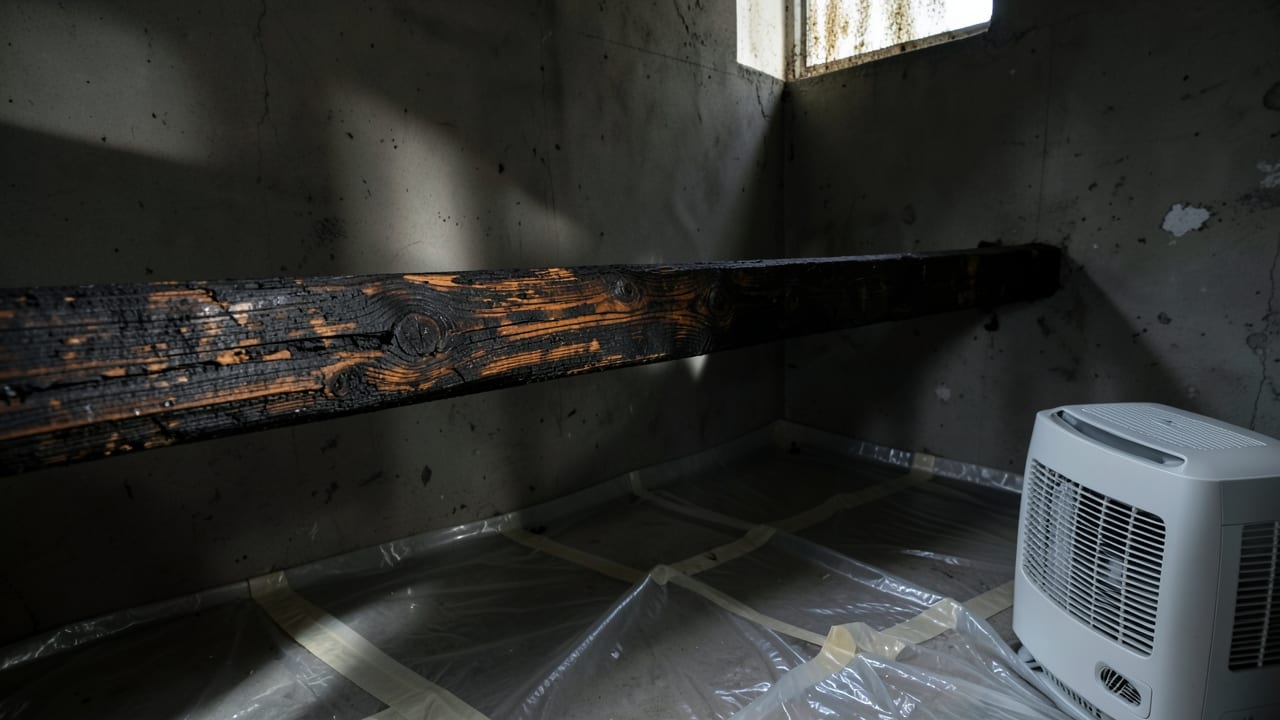
Fire Smoke Mold Remediation in Voorhees, NJ
Professional cleanup and restoration of fire, smoke, and mold damage in homes.
Learn More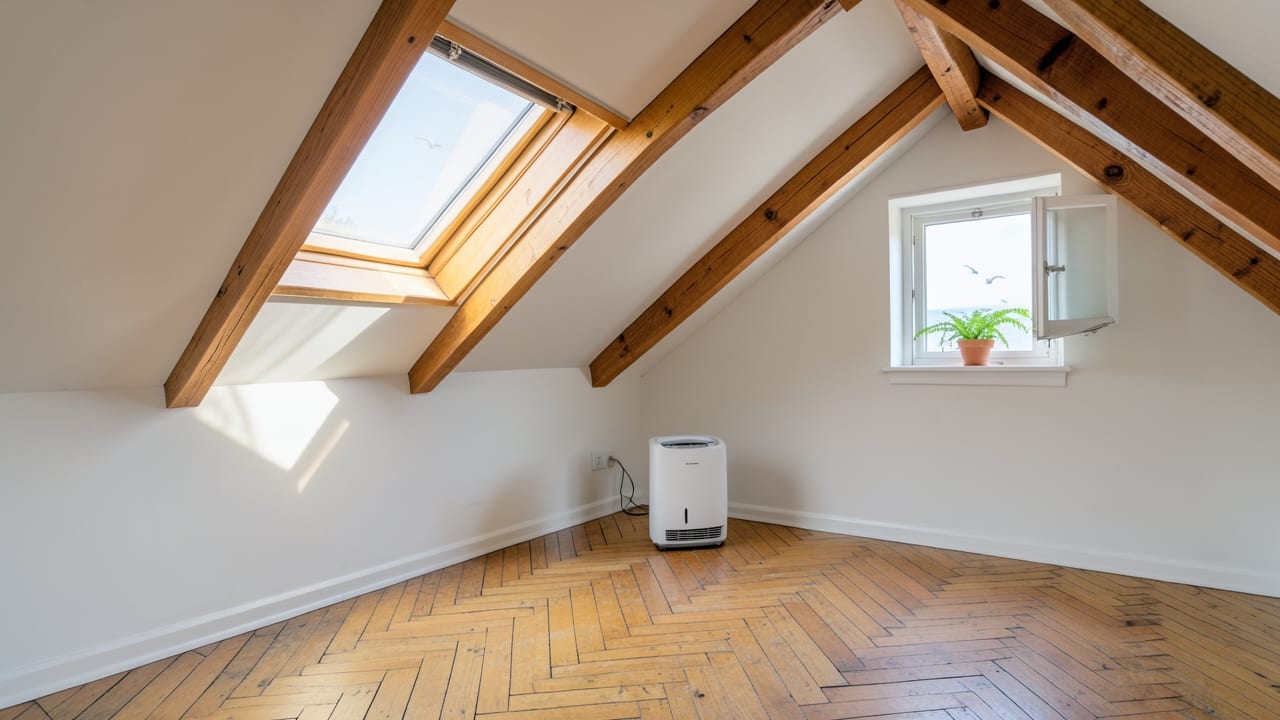
Salt Air Mold Remediation in Voorhees, NJ
Professional mold assessment, containment, removal, and prevention in affected areas of the home.
Learn More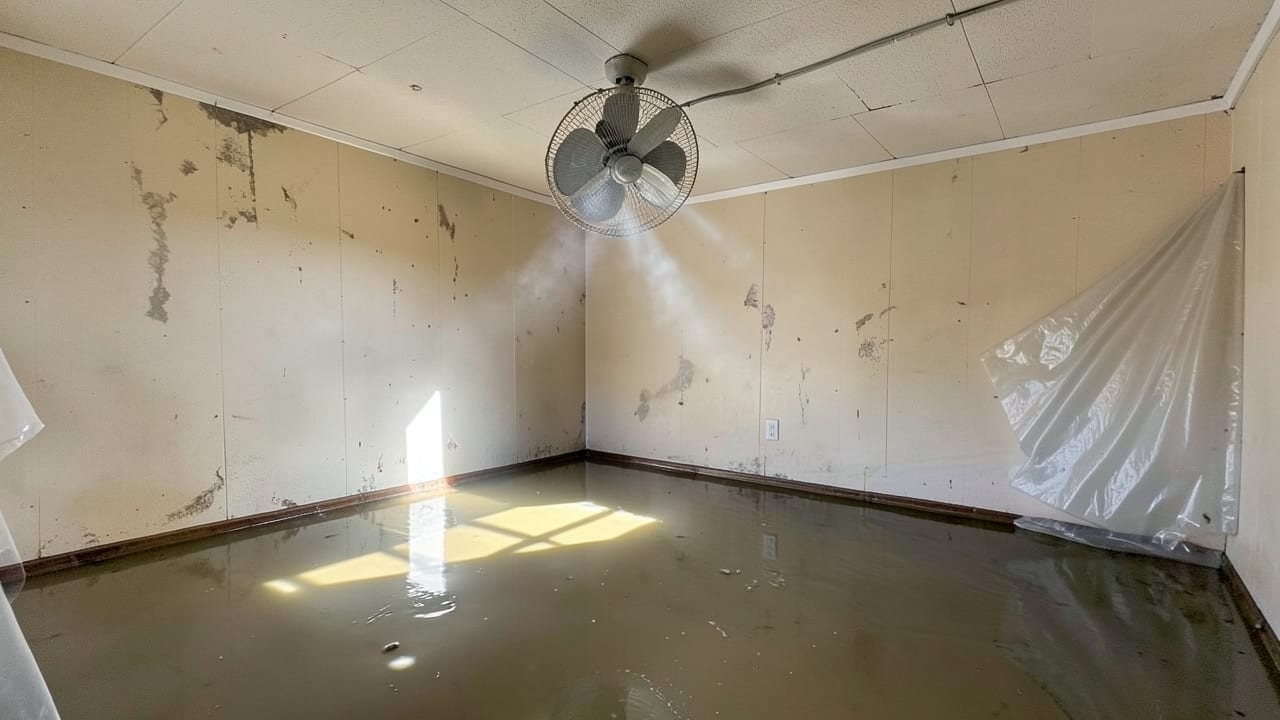
Storm Damage Mold Cleanup in Voorhees, NJ
Professional cleanup and remediation of mold caused by storm-related water damage in homes.
Learn More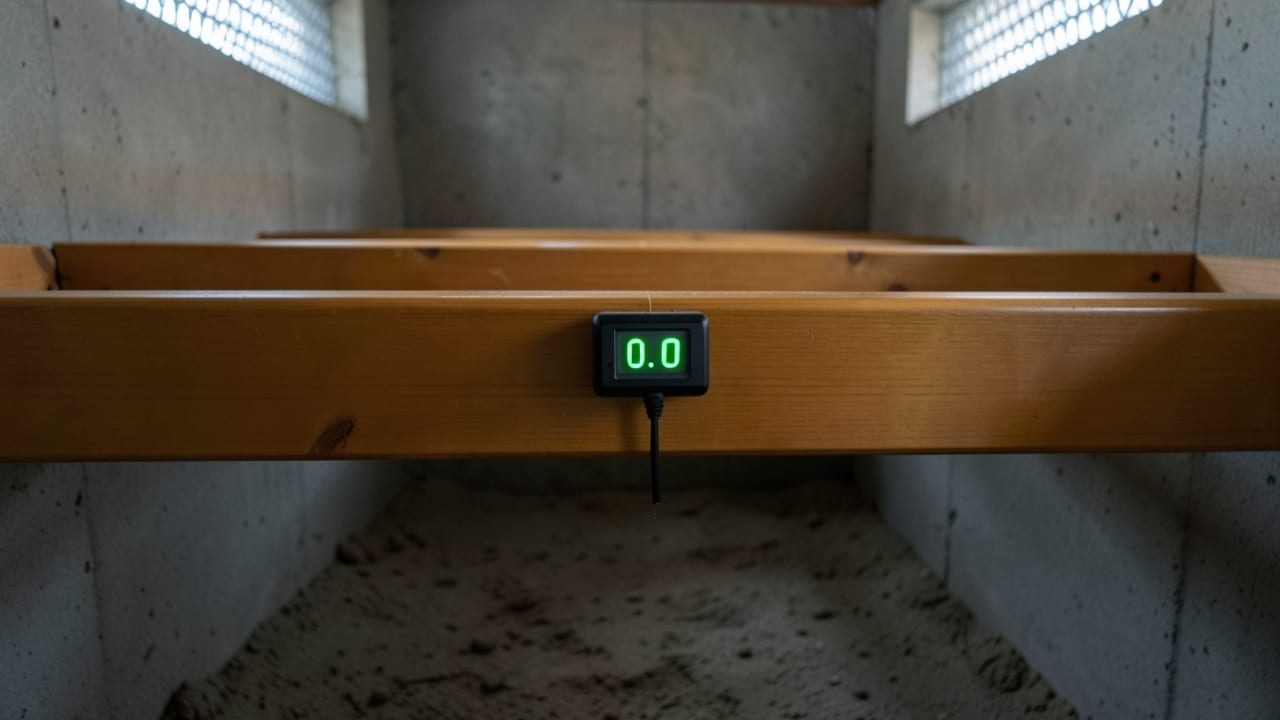
Spring Mold Inspection in Voorhees, NJ
Professional assessment and identification of mold growth in homes.
Learn More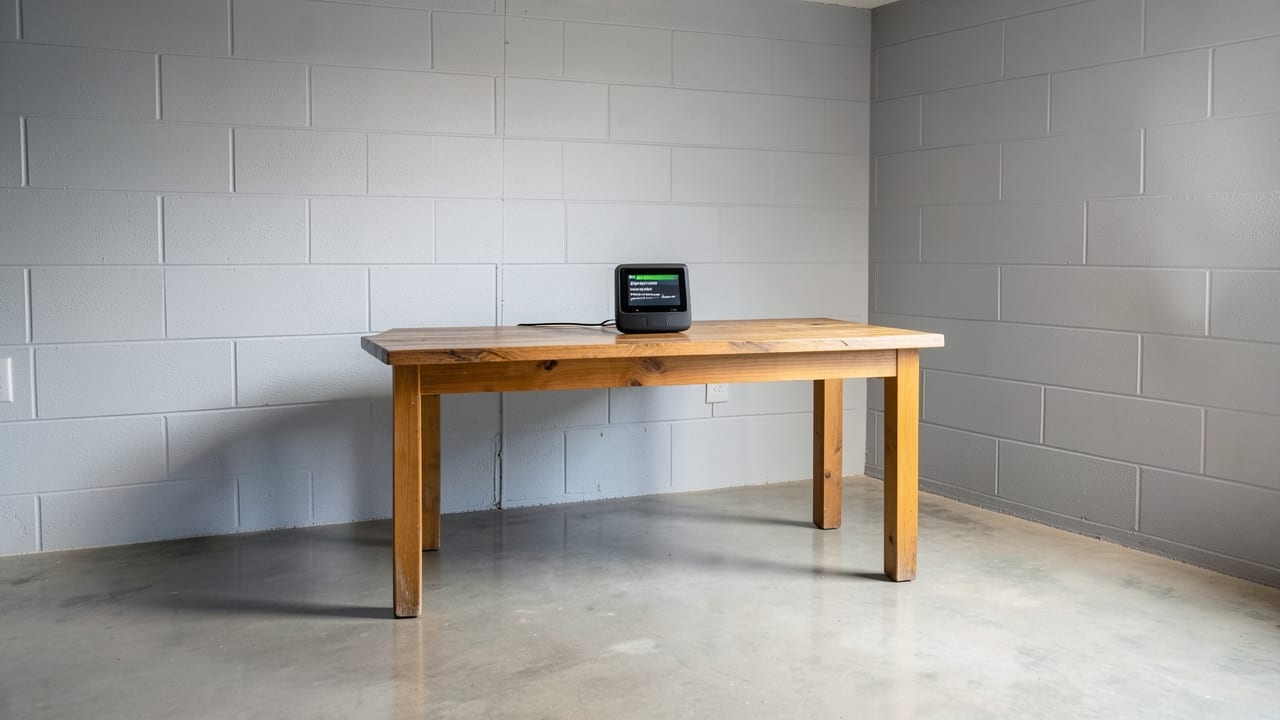
Pre-Sale Mold Clearance in Voorhees, NJ
Pre-sale mold clearance involves inspection and testing to confirm a property is mold-free before purchase.
Learn More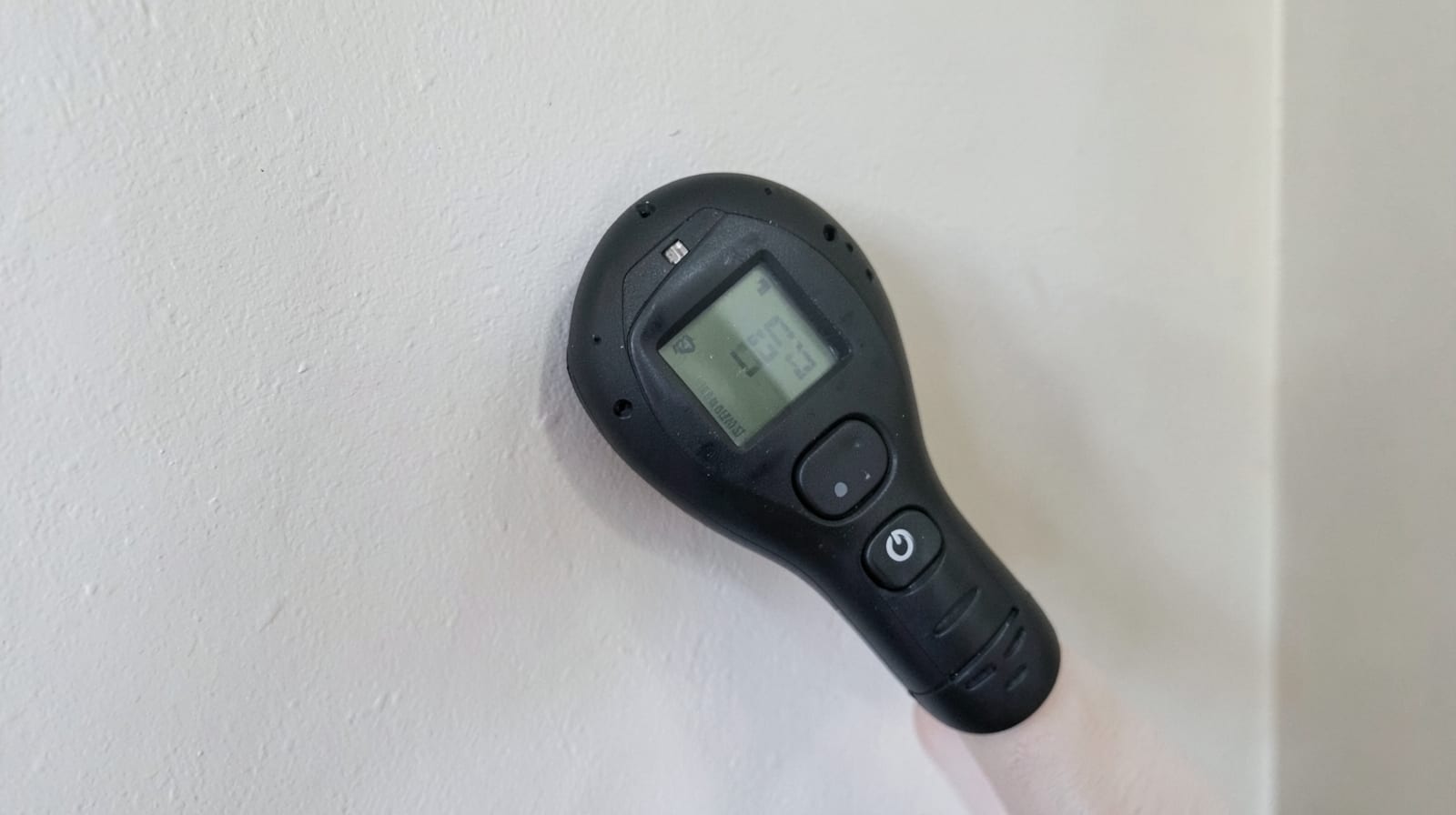
Mold Inspection in Voorhees, NJ
Mold inspection in Voorhees, NJ — a visual and moisture-meter assessment that finds the source of growth, not just the visible spot on the wall.
Learn MoreCommon Questions About Mold Remediation in Voorhees
Everything you need to know about mold remediation services in Voorhees
How much does Apartment Mold Remediation typically cost in Voorhees, NJ?
Why does Voorhees, NJ's humidity make mold a bigger risk than in drier regions?
Can mold growing inside HVAC ductwork spread to the rest of a home?
Does mold mean the same thing as mildew?
Does homeowners insurance typically cover mold remediation?
Is black mold actually more dangerous than other mold types?
Need Mold Remediation in Voorhees?
Connect with local providers in Voorhees for a detailed quote.
⏰ We answer your call • Serving all of Voorhees and surrounding areas