Why Black Mold in Voorhees Basements Poses Serious Health Risks
Black mold in basements isn’t just an eyesore—it’s a silent threat to health and home integrity. Voorhees homeowners often overlook damp, poorly ventilated basements until spores take hold. Recognizing the risks early can prevent costly remediation and long-term exposure.
What Is Black Mold and Why Does It Thrive in Basements?
Black mold, or *Stachybotrys chartarum*, is a toxigenic fungus that flourishes in damp, cellulose-rich environments. Basements in Voorhees often provide ideal conditions: high humidity, poor airflow, and organic materials like wood framing or cardboard storage.
The South Jersey climate, with its humid summers and wet springs, accelerates moisture buildup. Leaky foundations, condensation from HVAC systems, or improper grading around the home can all feed a mold colony undetected for months.
Health Risks Linked to Black Mold Exposure
Inhaling or touching black mold spores can trigger respiratory issues like chronic coughing, wheezing, or sinusitis. Those with asthma, allergies, or weakened immune systems face heightened reactions, including severe asthma attacks or hypersensitivity pneumonitis.
Prolonged exposure may lead to neurological symptoms—headaches, memory loss, or mood swings—due to mycotoxins released by the mold. Skin irritation and eye redness are also common after direct contact.
Children, the elderly, and individuals with autoimmune disorders are at greater risk. Immediate action is critical if mold is suspected in living spaces.
How Black Mold Spreads in Voorhees Homes
Mold reproduces via microscopic spores that travel through air currents, HVAC systems, or even on clothing. In basements, spores settle on damp surfaces and germinate within 24–48 hours under the right conditions.
Hidden mold often grows behind drywall, under carpeting, or inside insulation. Without professional mold testing and air quality assessments, colonies can expand unnoticed, contaminating adjacent areas like crawl spaces or first-floor walls.
Signs of Black Mold in Your Basement
Visible dark green or black patches on walls, ceilings, or stored items are the most obvious red flags. A musty, earthy odor often accompanies active growth, even if the mold itself is hidden.
Other indicators include peeling paint, warped wood, or condensation on windows and pipes. In severe cases, residents may experience unexplained health symptoms that improve when away from home.
Common Black Mold Indicators
- Dark, slimy or fuzzy patches on surfaces
- Persistent musty odors
- Water stains or discoloration on walls/ceilings
- Increased allergy or asthma symptoms indoors
- Condensation or high humidity in enclosed spaces
Black Mold vs. Other Common Household Molds
Not all dark mold is *Stachybotrys*. Alternaria, Cladosporium, and Aspergillus are other common household molds that may appear black or dark green. Each has different health effects and remediation requirements.
Professional mold testing, including air and surface sampling, is the only reliable way to identify the species. This step is crucial for determining the appropriate remediation protocol.
| Mold Type | Appearance | Common Locations | Health Risks |
|---|---|---|---|
| Stachybotrys (Black Mold) | Dark green/black, slimy | Damp drywall, insulation, wood | Respiratory issues, mycotoxin exposure |
| Cladosporium | Black or green, suede-like | Carpets, fabrics, window sills | Allergies, asthma, skin irritation |
| Aspergillus | Green, yellow, or black | HVAC systems, dust, stored food | Lung infections, allergic reactions |
| Alternaria | Dark green/brown, fuzzy | Bathrooms, basements, under sinks | Asthma attacks, hay fever symptoms |
Why Voorhees Basements Are Particularly Prone to Mold
Voorhees sits in a region with clay-heavy soil that retains moisture, increasing the risk of foundation seepage. Older homes, common in neighborhoods like Clyde or Gibbsboro, often lack modern waterproofing or vapor barriers.
Poorly maintained gutters, downspouts discharging near foundations, or cracked basement floors can introduce water. Finished basements with carpeting or drywall provide ample organic material for mold to feed on once moisture is present.
Preventing Black Mold Growth in Basements
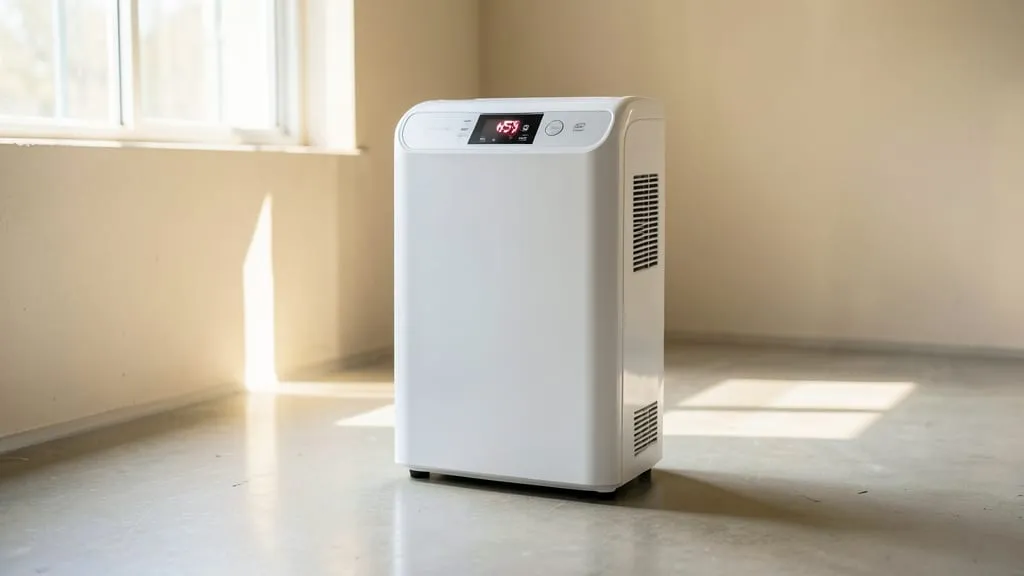
Controlling moisture is the most effective defense. Installing a dehumidifier and maintaining indoor humidity below 50% can inhibit mold growth. Ensure proper ventilation, especially in laundry areas or near water heaters.
Regular inspections for leaks, condensation, or water intrusion are essential. Sealing foundation cracks, improving grading, and using mold-resistant materials in renovations can further reduce risk.
Place dehumidifiers in central basement locations, not corners, for even air circulation. Empty the reservoir frequently or use a model with a drain hose.
How to Safely Inspect for Black Mold in a Basement
A preliminary inspection can help determine if professional remediation is needed.
- 1Gather Protective Gear
Wear an N95 respirator, gloves, and eye protection to avoid inhaling spores or touching contaminated surfaces.
- 2Check for Visible Signs
Examine walls, ceilings, and stored items for dark patches or water stains. Pay special attention to areas behind furniture or under carpeting.
- 3Follow Your Nose
A musty odor often indicates hidden mold. Trace the smell to its source, even if no visible growth is present.
- 4Use a Moisture Meter
Measure the moisture content of walls, floors, and ceilings. Readings above 15-20% suggest conditions conducive to mold.
- 5Document Findings
Take photos and notes of any suspected mold or water damage. This information is valuable for professional assessments.
- 6Avoid Disturbing Mold
Do not attempt to clean or remove mold yourself. Disturbing it can release spores into the air, worsening contamination.
Frequently Asked Questions
Can black mold in my Voorhees basement affect my entire home?
Yes. Mold spores can travel through HVAC systems, air currents, or on people and pets, spreading to other areas. Basement mold often leads to contamination in crawl spaces, first floors, or even attics if left unchecked.
Is it safe to stay in a home with black mold in the basement?
It depends on the extent of contamination and individual health. Short-term exposure may cause mild symptoms, but long-term exposure poses serious risks. A professional mold inspection can assess the severity and recommend next steps.
How do I know if my basement mold is black mold?
Visual inspection alone isn’t enough, as many molds appear dark. Professional mold testing, including air and surface sampling, is required to confirm the species. Labs analyze samples to identify *Stachybotrys* and other harmful molds.
What should I do if I find black mold in my basement?
Avoid disturbing the area and isolate it if possible by closing doors or using plastic sheeting. Contact a mold remediation specialist to assess the situation and develop a containment and removal plan.
Are there DIY solutions for black mold in basements?
DIY methods like bleach or vinegar may kill surface mold but won’t address spores in the air or hidden growth. Improper cleanup can worsen contamination. For black mold, professional remediation following industry protocols is strongly recommended.
Does homeowners insurance cover black mold remediation in Voorhees?
Coverage varies by policy. Most standard policies exclude mold unless it results from a covered peril, like a burst pipe. Review your policy or consult your insurer to understand exclusions and limitations.