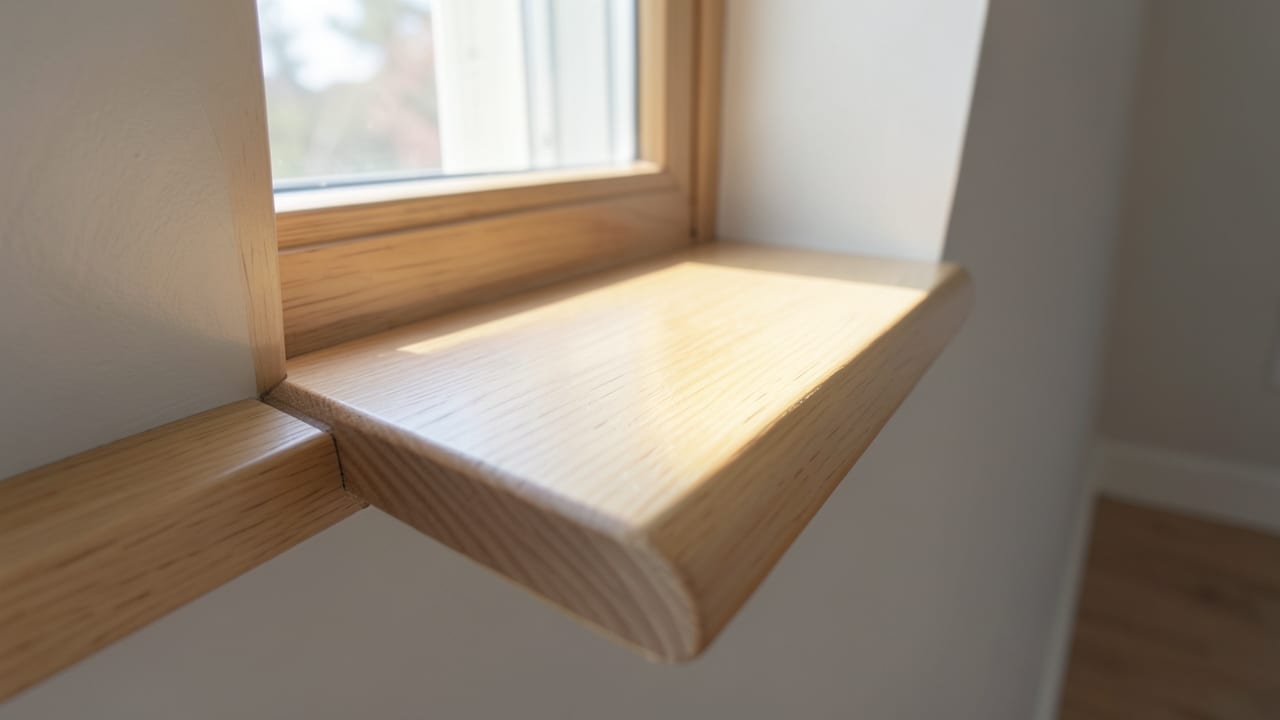
Window Sill Mold Cleanup
Professional cleanup of mold growth on window sills to restore a healthy indoor environment.
Window sill mold in Voorhees, NJ, thrives in damp, poorly ventilated areas where moisture lingers after rain, leaks, or condensation. Proper cleanup requires containment, targeted treatment, and moisture control to prevent regrowth.
Unlike surface wiping, professional remediation addresses hidden growth and fixes underlying causes—critical for wooden, vinyl, and composite sills in homes across Voorhees and nearby towns like Cherry Hill and Somerdale.
We also handle Mold Removal & Remediation and Water Damage Restoration for Voorhees properties.
When DIY stops working
Window sill mold often starts as a small, isolated patch that homeowners can wipe away with vinegar or bleach. But when it spreads beyond a few square inches, keeps returning after cleaning, or emits a musty smell with no visible source, it’s time for professional remediation.
These signs indicate deeper moisture issues or hidden growth—problems that require containment, HEPA filtration, and structural drying to resolve effectively.
In Voorhees, where humidity and older homes with single-pane windows are common, mold on sills often signals poor airflow or chronic dampness.
A professional assesses whether the mold is surface-level (cleanable) or embedded in porous materials (requiring removal), and whether the moisture source—like a leaky window frame or poor grading—has been addressed. Skipping this step leads to regrowth within months.
Signs Your Window Sill Mold Needs Professional Help
- Mold covers more than a small, isolated patch (typically over 25 contiguous square feet, the threshold where DIY methods often fail).
- The mold returns within weeks after cleaning, suggesting the moisture source hasn’t been fixed.
- A musty smell persists even after visible mold is gone, hinting at hidden growth in walls, subfloors, or ductwork.
- The sill material is porous (e.g., wood or drywall) and shows deep discoloration or crumbling, indicating embedded spores.
- You notice mold spreading to adjacent surfaces (baseboards, walls, or ceilings) despite targeted cleaning.
What affects cost and timeline?
The scope of window sill mold cleanup in Voorhees varies based on the size of the affected area, the type of sill material, and whether hidden moisture or structural damage is involved.
For example, vinyl sills may only need scrubbing and antimicrobial treatment, while wooden sills with deep rot or embedded mold may require partial replacement. Additional factors like containment setup, HEPA air scrubbing, and post-remediation testing also influence the total cost and project duration.
Professionals prioritize fixing the moisture source—whether it’s a leaky window, poor ventilation, or exterior drainage issues—to prevent recurrence. This step isn’t always included in basic cleanup quotes, so homeowners should ask upfront whether the estimate covers both remediation *and* moisture-source repairs.
Without addressing the root cause, the mold is likely to return.
Avoiding costly mistakes
Choosing a mold remediation service without verifying key details can lead to incomplete work, hidden charges, or regrowth. For example, some providers skip containment or clearance testing to cut costs, but this risks spreading spores to other parts of the home.
Others may quote low upfront but charge extra for unexpected issues—like mold behind the sill—that surface during demolition. Always ask for a written scope of work that includes containment, HEPA filtration, moisture-source repairs, and third-party clearance testing.
In New Jersey, mold remediation isn’t licensed separately, but contractors must register annually as Home Improvement Contractors (HIC) with the state. Verify this registration (look for an ‘HIC’ number on contracts or vehicles) to ensure the crew meets New Jersey’s insurance and liability requirements.
Avoid providers who pressure you to sign contracts during the inspection or demand full payment before work begins—red flags that may indicate hidden fees or subpar service.
| Red Flag | Why It’s a Concern | What to Do Instead |
|---|---|---|
| Verbal estimate with no written scope of work | No way to compare bids or hold the provider accountable for missing steps. | Request an itemized, written quote detailing containment, testing, and moisture-source repairs. |
| Pressure to sign during the inspection visit | Legitimate scopes take time to prepare; rushing may hide exclusions or upsells. | Take the quote home, compare it with others, and ask questions before committing. |
| No mention of post-remediation clearance testing | Without independent air or surface sampling, you won’t know if spores remain. | Insist on third-party testing to confirm the work meets safety standards. |
| Full payment required before any work starts | Removes leverage if the job isn’t completed as promised. | Agree to partial upfront payment with milestones tied to completed phases (e.g., containment, remediation). |
How window sill mold cleanup works
Professional remediation follows a structured process to remove mold safely and prevent recurrence.
- 1Containment Setup
Plastic sheeting seals off the work area, and negative-air machines create a vacuum that traps spores inside the containment zone. This prevents cross-contamination to other rooms or HVAC systems during removal.
- 2Material Assessment and Removal
Porous materials (like drywall or insulation) saturated with mold are cut out and bagged, while non-porous surfaces (tile, framing) are scrubbed with antimicrobial solutions. HEPA vacuums and air scrubbers run continuously to capture airborne spores.
- 3Structural Drying
Industrial dehumidifiers and air movers dry framing and subfloors to normal moisture levels (below 60% relative humidity). Mold regrows on damp materials even after visible traces are removed, so drying is critical.
- 4Moisture Source Repair
The underlying cause—such as a leaky window, poor ventilation, or exterior grading issues—is identified and fixed. Without this step, treated sills remain vulnerable to future mold growth.
- 5Clearance Testing
An independent lab tests air or surfaces post-remediation to confirm spore counts are within normal ranges. This step ensures the cleanup was effective before containment is removed.
Frequently asked questions
Can I clean window sill mold myself, or do I need a professional?
Small, isolated patches (under 25 square feet) can often be cleaned with vinegar, bleach, or commercial mold killers. However, if the mold spreads, returns after cleaning, or affects porous materials like wood, professional remediation is recommended to prevent hidden growth and ensure proper containment.
How long does window sill mold cleanup take?
The timeline depends on the scope: a single vinyl sill with surface mold may take a few hours, while wooden sills with deep rot or hidden moisture issues can require days for containment, drying, and repairs. Containment and clearance testing add time but are essential for safety.
Will my insurance cover mold remediation for window sills?
Homeowners insurance typically covers mold damage if it stems from a sudden, accidental event (like a burst pipe). However, gradual issues (e.g., chronic humidity or poor ventilation) are usually excluded. Check your policy or consult your agent, as coverage varies by provider and state regulations.
How can I prevent mold from coming back on my window sills?
Fix the moisture source first—seal leaks, improve ventilation (use fans or dehumidifiers in damp rooms), and ensure proper exterior drainage. After remediation, monitor humidity levels in the affected area and address any new dampness promptly. Regular inspections of sills and adjacent surfaces help catch early signs of recurrence.
Where Voorhees sits, and what the Census lists nearby
Voorhees sits in New Jersey, and the closest places listed in the U.S. Census Gazetteer are Clyde (1.1 miles west), East Franklin (1.4 miles northeast), Somerset (1.9 miles north), Six Mile Run (2.3 miles west).
Within 25 miles of Voorhees the same source lists 195 distinct incorporated places and census-designated places.
Those figures matter for window sill mold cleanup because they are straight-line distances between Census coordinate points: road mileage between Voorhees and Clyde runs longer than the 1.1 miles shown, which is why quotes for the same job differ between towns that look close together on a map.
Source: U.S. Census Bureau Gazetteer.
See Somerset, NJ for more, or find out about our full crew's Voorhees services in detail for our complete lineup.
Ready to get started?
Talk to a local mold remediation pro in Voorhees — get a written quote.
Other Mold Remediation Services in Voorhees
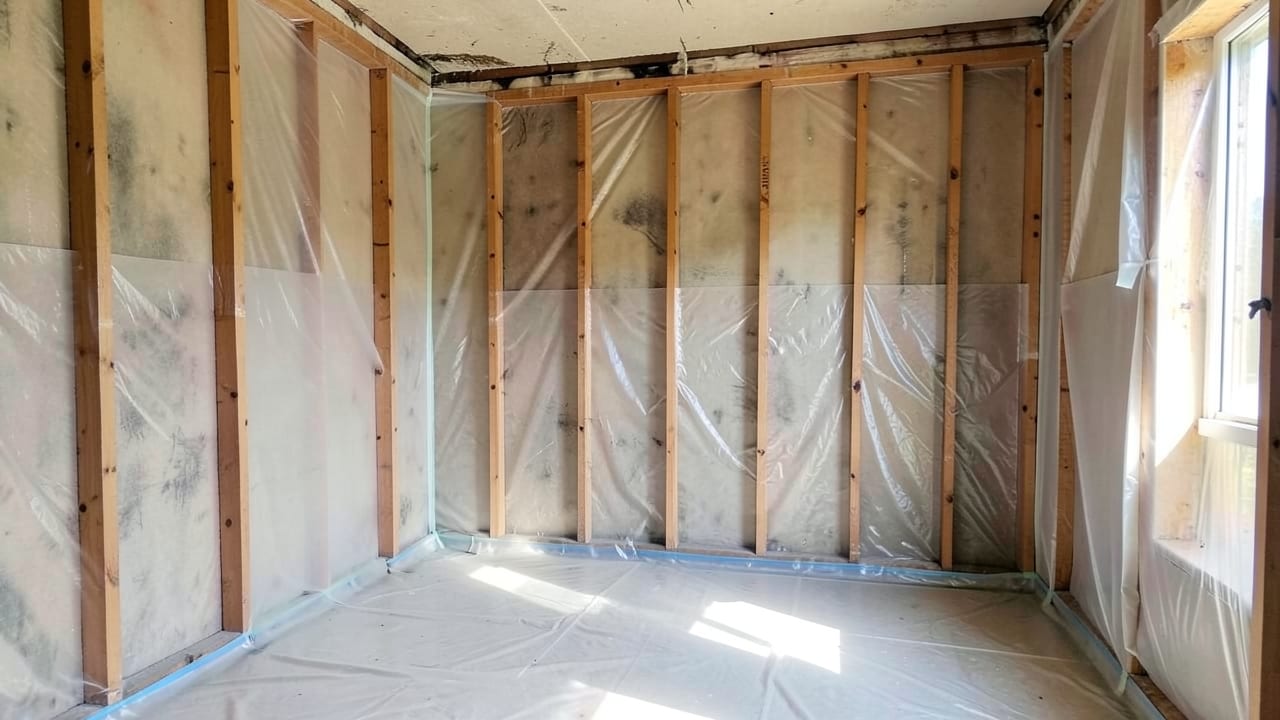
Mold Removal & Remediation in Voorhees, NJ
Mold removal and remediation in Voorhees, NJ — containment, HEPA filtration, and removal of affected material following industry (IICRC S520) protocol.
Learn More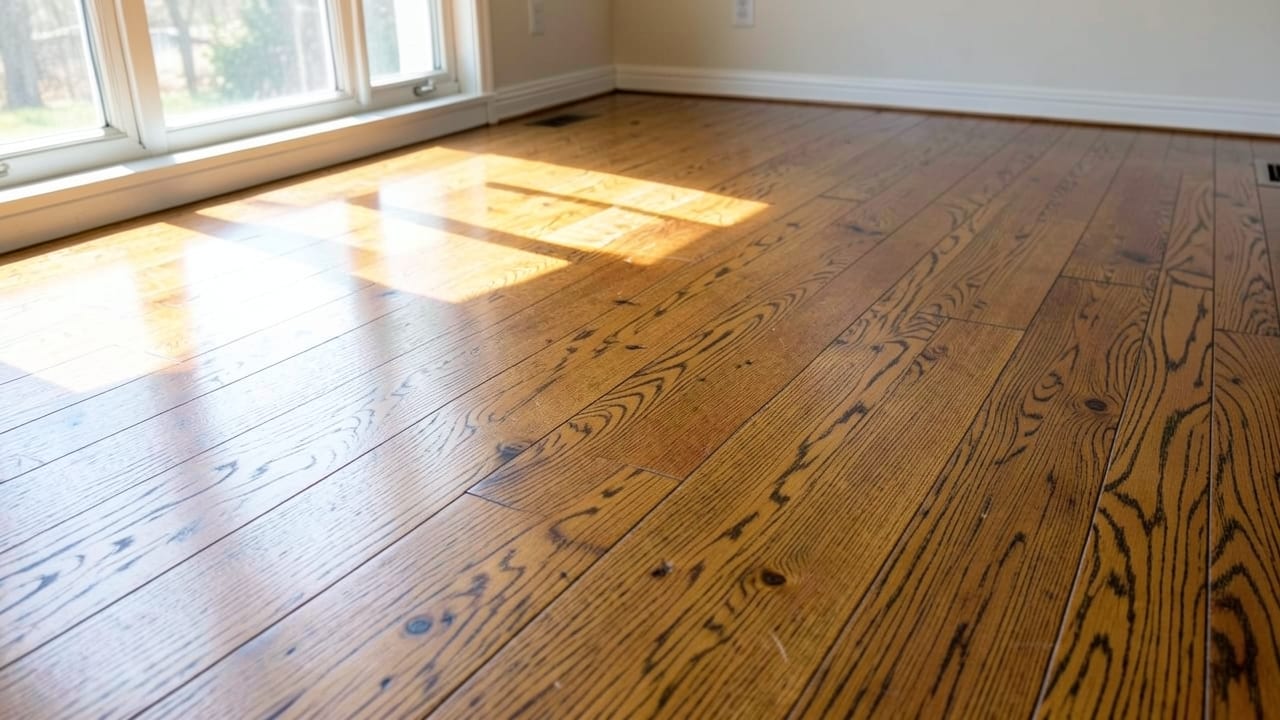
Water Damage Restoration in Voorhees, NJ
Water damage restoration in Voorhees, NJ — extraction and structural drying to stop mold growth before it starts, following a leak, storm, or flood.
Learn More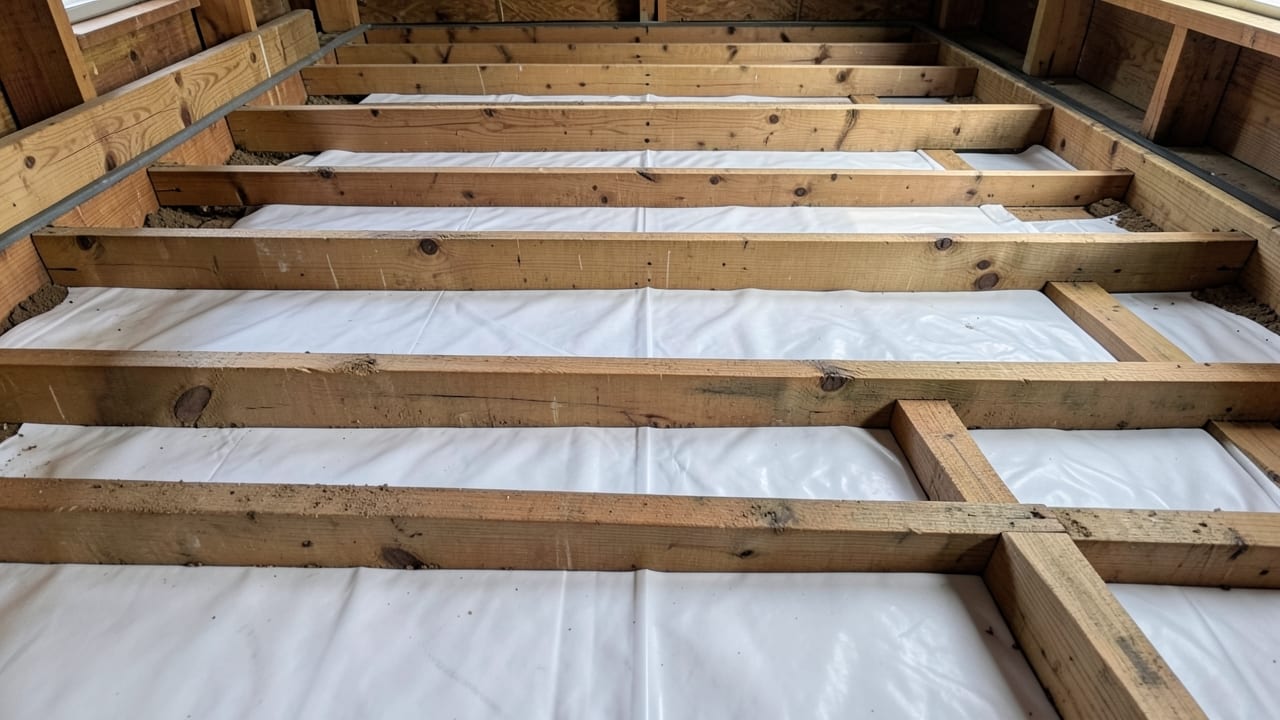
Crawl Space & Basement Mold Remediation in Voorhees, NJ
Crawl space and basement mold remediation in Voorhees, NJ addresses the two areas of a property most prone to trapped, unnoticed moisture.
Learn More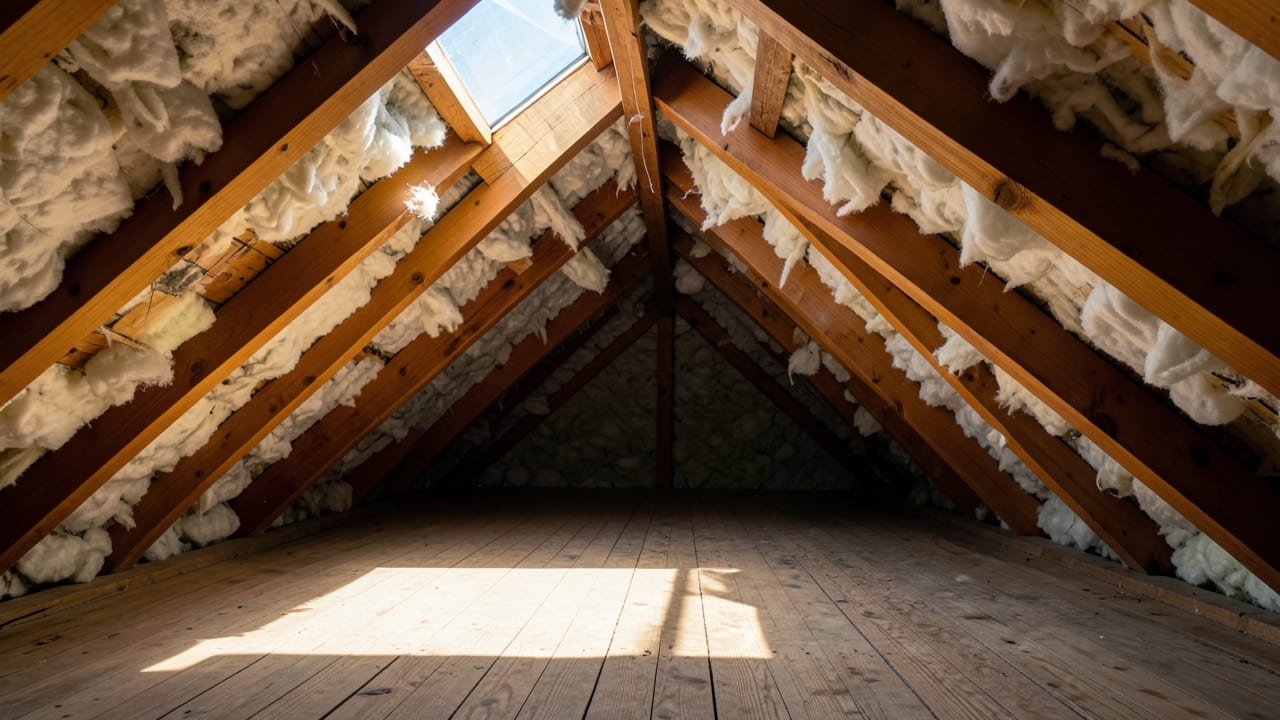
Attic Mold Remediation in Voorhees, NJ
Attic mold remediation in Voorhees, NJ addresses roof-deck growth typically caused by poor ventilation or a hidden roof leak.
Learn More
Commercial Mold Remediation in Voorhees, NJ
Commercial mold inspection and remediation in Voorhees, NJ for offices, retail space, and multi-unit properties, scheduled around business operations.
Learn More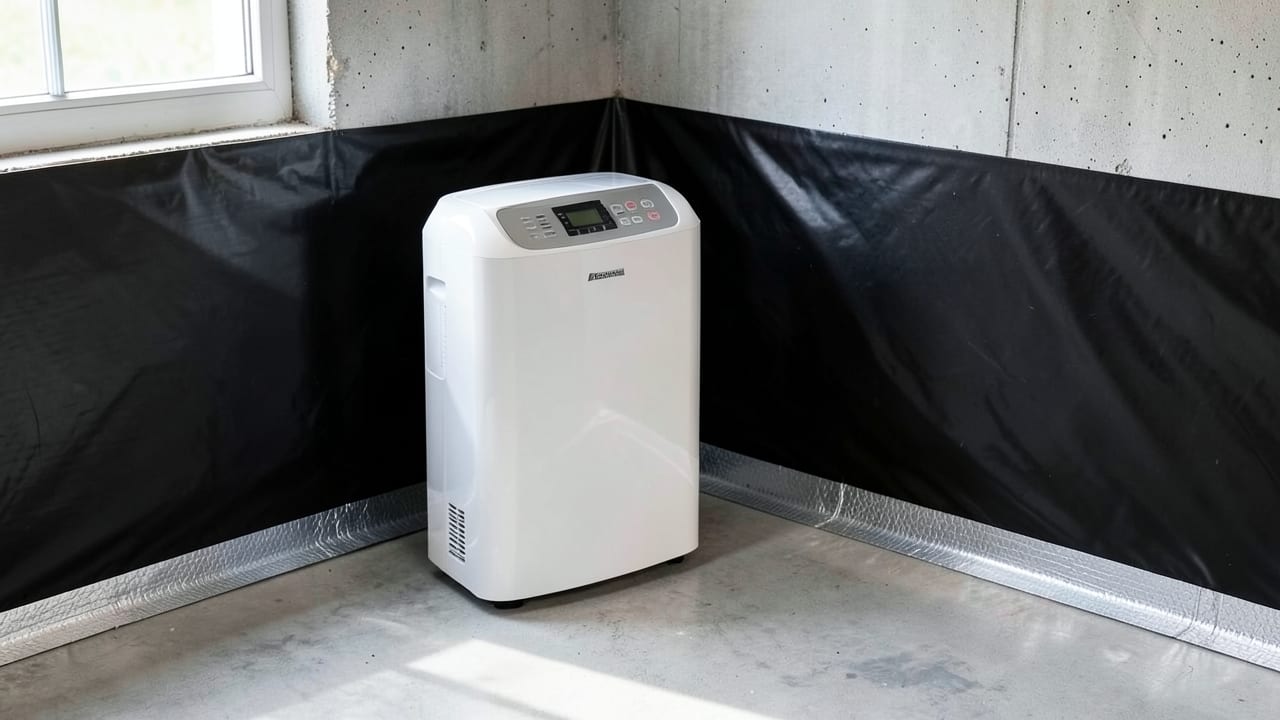
Mold Prevention & Moisture Control in Voorhees, NJ
Mold prevention and moisture control in Voorhees, NJ — addressing ventilation, humidity, and drainage before growth starts, not after.
Learn MoreCommon Questions About Mold Remediation in Voorhees
Everything you need to know about mold remediation services in Voorhees
How much does Window Sill Mold Cleanup typically cost in Voorhees, NJ?
Why does Voorhees, NJ's humidity make mold a bigger risk than in drier regions?
Can small mold problems be handled without hiring anyone?
What's the actual difference between mold removal and mold remediation?
Is a final clearance test part of a typical mold remediation job?
How does mold remediation actually prevent the problem from coming back?
Need Mold Remediation in Voorhees?
Connect with local providers in Voorhees for a detailed quote.
⏰ We answer your call • Serving all of Voorhees and surrounding areas